

Kauermann
Kauermann Couplings (Kupplungs) are high-quality, German-engineered coupling solutions available from YB Components, supplying customers throughout the UK with dependable power transmission components for a wide range of industrial and mechanical applications.
YB Components can supply Kauermann Couplings for maintenance, replacement, repair, and new equipment installations, helping UK customers source reliable coupling solutions to meet their specific machinery requirements.

Showing all 6 results

25X20X12EL Perbunan 25 Coupling Element for Desch Hadeflex / Kauerman Couplings Size 25
25X20X12EL Price range: £6.40 through £57.60 ex vat £7.68 inc. vat Select options This product has multiple variants. The options may be chosen on the product page
36X25X15EL Perbunan 36 Coupling Element for Desch Hadeflex / Kauerman Couplings Size 36
36X25X15EL Price range: £19.60 through £176.50 ex vat £23.52 inc. vat Select options This product has multiple variants. The options may be chosen on the product page
45x30x20EL Perbunan 45 Coupling Element for Desch Hadeflex / Kauerman Couplings Size 45
45X30X20EL Price range: £21.80 through £196.00 ex vat £26.16 inc. vat Select options This product has multiple variants. The options may be chosen on the product page
60x40x25EL Perbunan 60 Coupling Element for Desch Hadeflex / Kauerman Couplings Size 60
60x40x25EL £20.90 ex vat £25.08 inc. vat Add to cart
80x60x30EL Perbunan 80 Coupling Element for Desch Hadeflex / Kauerman Couplings Size 80
80x60x30EL £34.80 ex vat £41.76 inc. vat Add to cartKADO Couplings
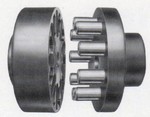
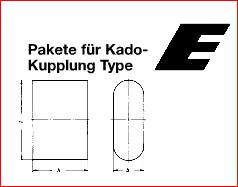
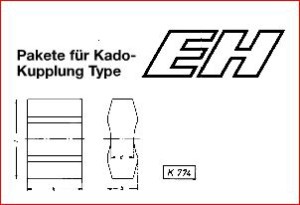
Coupling No. of Inserts LxDxH
0012EH 12 34x24x13
002EH 14 34x24x13
003EH 10 48x30x20
005EH 12 48x30x20
008EH 12 58x35x24
012EH 14 58x35x24
02EH 16 58x35x24
032EH 12 78x50x36
05EH 14 78x50x36
08EH 16 78x50x36
1,25EH 14 110x75x40
1,6EH 16 110x75x40
2EH 18 110x75x40
2,5EH 20 110x75x40
4EH 22 110x75x40
6EH 16 160x95x56
10EH 20 160x95x56
16EH 26 160x95x56
SCHNALLEN Couplings
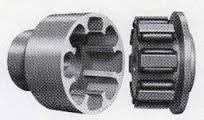
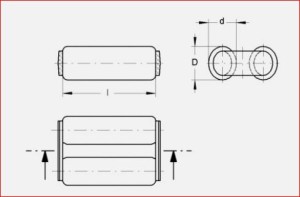
Coupling No. of Inserts LxDxH
0003S 6 7.5x9x20
0006S 8 7.5x9x20
0012S 6 10x12x36
002S 8 10x12x36
0032S 10 10x12x36
0063S 8 15x18x50
01S 10 15x18x50
016S 12 15x18x50
025S 8 24x28x80
04S 10 24x28x80
063S 12 24x28x80
frequently Asked Questions
What are the most common types of Kauermann Couplings?
Kauermann produces several specialized elastic and highly flexible couplings, each catering to specific performance and safety needs:
Schnallen Coupling (Buckle/Strap): Named after the German word for strap or buckle, this elastic coupling uses flexible rubber elements or “buckles”. (Version 1 is the standard model, while Version 2 features an intentional design variant with a reduced backlash feature).
Kado Coupling: An elastic coupling characterized by its robust design featuring ground bolts and integrated elastomeric buffers or packages(Kupplungspakete).
Kegelflex Coupling: A highly flexible, taper-element coupling engineered to handle pronounced vibration damping and significant shaft misalignment.
Luftreifen Coupling: Translated as a “tire-clutch” coupling, this system relies on a pneumatic or tire-like flexible element to absorb massive shocks and angular deviation.
Kasi Coupling: A dedicated safety slip-clutch mechanical design intended to prevent equipment damage by safely slipping when peak torque parameters are exceeded.
Flexan Coupling: A highly safety-conscious, extra-flexible model designed for smooth machine startup (Anlaufkupplung)
How is the spacing maintained on a KEGELFLEX coupling?
For the Kegelflex model, the optimal spacing distance between the two coupling discs can be secured by pushing the integrated moulded-on ring on the exterior of the coupling directly onto the flange hub. Precision is vital during this step to avoid crushing or pinching the flexible taper element.
What factors must be checked before ordering a replacement?
Because multiple model variations exist for any given footprint, you must verify the following properties:
Exact Shaft Dimensions: Shaft diameters and keyway sizes of both the driving and driven machinery.
Torque Capacity: Ensure the peak operational load does not exceed the nominal or maximum torque limits of the coupling.
Misalignment Limits: Confirm if your machinery configuration involves significant angular, parallel or axial shaft deviations
What materials are used in Kauermann replacement coupling elements?
The flexible elements/inserts wear out naturally under operational stress and are easily replaceable. Kauermann manufactures these elements in a variety of materials depending on the application environment:
NBR (Perbunan): The standard durable rubber choice for everyday industrial environments, offering high grease and oil resistance.
PUA (Polyurethane): Selected for high load capacities and advanced wear resistance.
HGW (Phenolic Resin/Laminate Fabric): Used in heavy-duty environments demanding rigid torque transmission.
Viton (FKM) & ECO: Deployed in demanding applications that experience extreme thermal fluctuations or aggressive chemical exposure.
How do I select the correct size Kauermann coupling?
To select the appropriate size (e.g. Kado Size 36 or E005), you need to gather precise machine specifications;
Shaft Diameters: Knowing your machinery’s exact drive and driven shaft dimensions is critical to securing the right bore sizes.
Torque Requirements: Check the coupling’s nominal and maximum torque limits. The coupling must match or comfortably exceed your motor’s peak output.
Misalignment Capabilities: Measure whether your system expects parallel, axial or angular deviations and pick a style (like Kegelflex) that compensates for that dynamic.
What maintenance is required for Kauermann couplings?
Because many Kauermann designs feature elastic non-metallic elements, they are largely lubrication-free and low maintenance. However, regular preventative checks are recommended:
Inspect the Elastic Elements: Look for signs of dry rotting, tearing or extrusion in the rubber buckles or Kado bushes. Replacing a degraded rubber element early prevents costly metal-on-metal damage to the coupling hubs.
Verify Shaft Alignment: Even though these couplings tolerate misalignment, extreme variations will accelerate elastomer wear and place unwanted loads on your motor bearings.